
A StelsVPN review 2026 for puzzle readers should separate network privacy from the game itself. A daily word puzzle usually needs only a browser, but readers may open it from public Wi-Fi in a café, library, or airport. A VPN can protect traffic between a device and a VPN server, while other privacy settings still matter.
StelsVPN advertises free, Pro, and individual-server options. Its site lists desktop and mobile compatibility, typical VPN protocols and defensive connection features. This assessment looks at published information and practices relevant to readers, not independent encryption testing or performance measures.
How Can StelsVPN Change a Reader’s Connection?
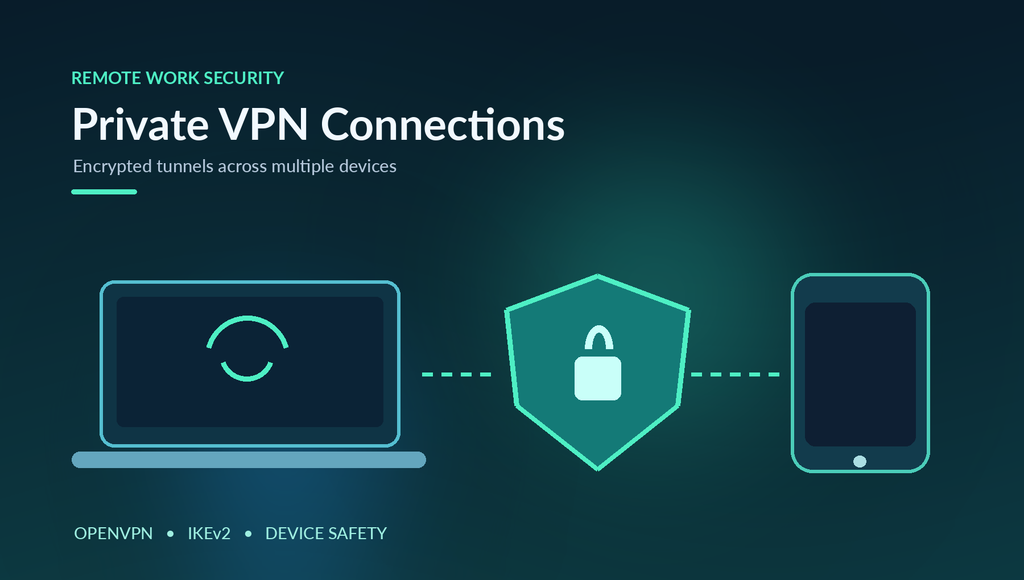
After connecting, StelsVPN sends all of your network traffic through a VPN endpoint. It advertizes OpenVPN and IKEv2 choices, DNS and IP leak protection and a kill-switch mechanism. These are properties of the network path, not of the rules of a word puzzle.
A VPN can hide traffic from someone monitoring an insecure local network. When a site is properly configured, HTTPS still protects communication. Another entity that has to deal with connection data is the VPN provider, therefore it’s worth looking into their policies.
VPNs don’t mask all browser identifiers. Cookies, signed-in credentials, saved preferences can link visits to the same reader. It also can’t stop someone from inputting a password on a fake page.
What Is Different Between Free, Pro, and Individual Plans?
StelsVPN’s published plan page offers a free option with a daily 300 MB data limit. The Pro tier advertises more country choices and up to ten active sessions. An individual-server option is described separately for customers who need their own VPN endpoint.
For reading ordinary puzzle pages, bandwidth needs may be modest. Video, downloads, and other traffic sent through a VPN can consume a free allowance more quickly. Device limits and current billing terms should be checked before choosing a subscription.
Most readers do not need a private VPN server simply to solve a daily grid. That option is relevant only if a user has a distinct technical requirement. A more expensive tier does not automatically produce stronger browser hygiene or safer account settings.
Which Privacy Settings Matter for Daily Word Games?
Practical privacy basics are updated browsers, trusted addresses and control of saved data. Clicking on a misleading link can expose account information even when a reader is using a VPN. Checking the genuine URL of the page is a good habit.
Daily games may save solved puzzles, hint preferences or streak information in browser storage. Clearing that storage can clear preferences even if the connection route is the same. Readers should also understand what data the game saves and what preferences their browser controls.
The answer to the game does not change . The categories are not revealed. You are not guarantyd to get to a specific site. None of this is changed by a VPN connection . It modifies the route of specified traffic.” The site shown still may be affected by the browser language and device time zone and user accounts.
How Should a Reader Check a VPN Connection?
A useful check confirms that the connection works and that the application behaves as expected. One green connection symbol is not enough to establish that every browser request follows the intended route. Use a neutral IP-check page and verify the observed exit country.
- Connect with a supported protocol: Choose a modern setting supported by the device.
- Check the visible IP: Compare the reported address before and after connecting.
- Inspect DNS behavior: Use a reputable diagnostic tool when privacy requirements call for it.
- Test reconnection: Briefly switch from Wi-Fi to mobile data and observe the VPN’s response.
- Open the puzzle site: Confirm that words, hints, and login functions still operate correctly.
If the puzzle page fails while the VPN is active, do not assume the site itself is offline. Try a direct connection when permitted, verify the browser settings, and consider a temporary network issue. Repeatedly changing server countries is not a substitute for diagnosing the error.
What Does the StelsVPN Privacy Policy Say?
The provider’s public privacy policy says it does not save browser history, DNS queries or the content of VPN traffic. It also provides account types and technical information necessary to manage the service. As this page explains, these are policy pronouncements, not independently audited findings.
* Please read the existing terms of service and policy before subscribing. Think about the details that are given when you register an account . What happens when you ask for support . This marketing language does not constitute an impartial and validated security assessment.
StelsVPN additionally provides a kill switch and leak-protection capabilities. They may appear on a product page, but this does not mean they will work the same on all devices. Instead of assuming universal coverage, it makes more sense to test the specified program and operating system.
What Should Readers Know About Speeds and Subscriptions?
A VPN may add latency since communication is routed through one more endpoint. The difference relies on the user’s network, the choice of server and the destination. The advertized capacity of the service is not a metric of loading times of a specific puzzle site.
Readers should carefully study its website for membership costs and refund statements. terms and conditions vary per plan and publication date Promotional pricing and return windows should be used only after confirmation of the live checkout total and the corresponding written policy.
If you want daily puzzles quickly, consistency is more important than chasing a headline bandwidth number. A visit is successful if the browser connection is stable, the layout is readable, and the hint controls work.
Is StelsVPN Necessary for Solving Online Puzzles?
StelsVPN may be relevant to readers who want an extra network privacy layer on shared connections. It is not required for solving a word puzzle and cannot replace browser security or careful password habits. The site itself must still handle data responsibly.
Choose connection settings based on the device and privacy objective. Verify the actual behavior before treating a provider claim as a measured result.