
Welcome to connectionshint. scottland is a country located in the northern part of the United Kingdom, known for its strong national identity, ancient history, and breathtaking natural landscapes. It is not just a travel destination, but a place where history, culture, and nature are deeply connected in everyday life. Many people visit scottland to experience its unique atmosphere, which feels both peaceful and powerful at the same time.One of the most important things to understand about scottland is its deep historical background. The country has a long history of ancient Celtic tribes, medieval kingdoms, and battles for independence.
This history is still visible today through its castles, stone ruins, and traditional stories passed down through generations. Even modern cities in scottland carry traces of this past, making history feel alive rather than distant. Along with its history, scottland is famous for its natural beauty. The landscape is filled with green valleys, tall mountains, deep lakes, and rugged coastlines. The Scottish Highlands, in particular, are known worldwide for their dramatic scenery and quiet, untouched environment. This makes scottland a perfect destination for people who love nature, photography, hiking, or simply peaceful surroundings.
Geography and Climate of scottland
The geography and climate of scottland are among its most defining features, shaping both its natural beauty and the lifestyle of its people. The country is located in the northern part of the United Kingdom and is known for its dramatic landscapes, including mountains, coastal regions, islands, and vast open valleys. The climate is generally cool, moist, and changeable throughout the year, which makes the scenery appear fresh and green in most seasons. Understanding the geography and weather of scottland helps travelers plan better and enjoy its natural beauty fully.
Mountains, Highlands, and Islands
The most famous geographical feature of scottland is the Scottish Highlands, a rugged region filled with tall mountains, deep valleys, and scenic lochs. This area is known for its untouched natural beauty and is often considered one of the most beautiful landscapes in Europe. The Highlands are perfect for hiking, photography, and experiencing peaceful nature away from busy cities.
Along with the Highlands, scottland also has many stunning islands such as the Isle of Skye and the Orkney and Shetland Islands. These islands are known for their dramatic cliffs, coastal views, and unique wildlife. They offer a completely different experience compared to mainland cities, making scottland a diverse destination for nature lovers.
Weather conditions throughout the year
The weather in scottland is known for being unpredictable and constantly changing. One of the most common climate patterns in Scotland is that you can experience sunshine, rain, and wind all in the same day. Summers are usually mild rather than hot, while winters can be cold, wet, and sometimes snowy, especially in the Highlands.
Rain is common throughout the year, which is why scottland has such green and lush landscapes. The coastal areas often experience strong winds, while inland regions can feel slightly more stable. This mix of weather conditions creates a dramatic atmosphere that enhances the natural beauty of Scottish landscapes.
Best season to visit scottland
The best time to visit scottland is during late spring and summer, especially from May to September. During these months, the weather is relatively warmer, and daylight lasts much longer, giving visitors more time to explore attractions and enjoy outdoor activities. This is also the peak season for tourism, as nature is at its most vibrant.
Another good time to visit scottland is early autumn, when the landscapes turn golden and red, creating beautiful scenery for photography. During this time, crowds are smaller, and travel becomes more peaceful. However, travelers should always be prepared for unpredictable weather conditions in Scotland, regardless of the season, by carrying waterproof and layered clothing.
History and Culture of scottland
The history and culture of scottland are deeply rooted in ancient traditions, powerful historical events, and a strong sense of national identity. Over centuries, the country has developed a unique cultural heritage that blends Celtic origins, medieval influences, and modern British development. Today, scottland is known not only for its historical landmarks but also for preserving traditions that continue to shape everyday life and national pride. This combination of history and living culture makes scottland one of the most fascinating countries in Europe.
Ancient history overview
The ancient history of scottland begins with early Celtic tribes who settled in the region thousands of years ago. These early communities built small kingdoms and developed strong warrior traditions. Over time, the Romans also attempted to control parts of the region, but much of northern scottland remained independent due to its rugged terrain and resilient local tribes. This early resistance helped shape a strong identity of independence that still exists today.
As centuries passed, scottland formed its own kingdoms and experienced many battles for power and control. Medieval castles were built across the land, many of which still stand today as reminders of Scottish medieval history. The struggle for independence, especially against England, became a defining part of the nation’s story. Famous figures like William Wallace and Robert the Bruce played important roles in shaping the country’s freedom and identity.
Scottish traditions and festivals
scottland is rich in traditions that reflect its cultural pride and historical roots. One of the most famous celebrations is the Highland Games, where people gather to enjoy traditional sports, music, and dancing. These events are not just entertainment but also a way of preserving ancient customs that have been passed down through generations. Festivals like Hogmanay (New Year celebration) are also widely celebrated across the country with fireworks and street parties.
Another important aspect of scottland traditions is the strong connection to clans and family heritage. Many people still identify with their ancestral clans and wear traditional tartan patterns to represent them. These cultural practices help maintain a strong sense of community and belonging. Visitors often experience these traditions firsthand during festivals, gaining a deeper understanding of Scottish cultural heritage and its importance in modern society.
Language, music, and lifestyle
The culture of scottland is also reflected in its language, music, and everyday lifestyle. English is the main language spoken, but Scottish Gaelic is still used in some regions, especially in rural and island communities. This mix of languages highlights the country’s effort to preserve its linguistic heritage. Locals often use unique expressions and accents that give scottland its distinctive identity.
Music plays a powerful role in scottland culture, with traditional instruments like the bagpipes being globally recognized symbols of the country. Folk music, storytelling, and dance are important parts of social gatherings and celebrations. The lifestyle in scottland is a balance between modern urban living and traditional values, where people enjoy both city convenience and deep cultural roots. This blend creates a unique Scottish way of life that continues to attract interest from around the world.
Read also: Boring: Meaning, Causes, and Simple Ways to Overcome Boredom
Top Cities to Visit in scottland
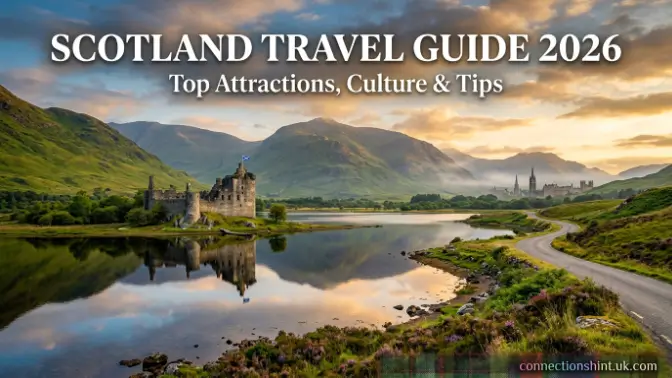
The top cities to visit in scottland offer a perfect mix of history, modern culture, and natural beauty. Each city has its own unique identity, from ancient architecture and royal landmarks to modern art scenes and vibrant nightlife. Travelers often explore multiple cities in scottland to experience the full diversity of the country, as each destination provides a different perspective of Scottish urban life and culture.
Edinburgh The capital city
Edinburgh, the capital of scottland, is one of the most beautiful and historic cities in Europe. It is famous for its stunning medieval architecture, cobblestone streets, and the iconic Edinburgh Castle that sits on a volcanic hill overlooking the city. The Old Town and New Town together form a UNESCO World Heritage Site, offering visitors a journey through both ancient and modern history.
Beyond its historical charm, Edinburgh is also known for its cultural festivals, especially the Edinburgh Festival Fringe, which is one of the largest arts festivals in the world. The city combines tradition with creativity, making it a center for literature, art, and education. Walking through its streets gives visitors a deep sense of the rich heritage and Scottish capital culture.
Glasgow Modern cultural hub
Glasgow is the largest city in scottland and is known for its modern lifestyle, vibrant energy, and strong artistic identity. It is often described as the cultural heart of the country due to its music scene, art galleries, and lively social atmosphere. The city has transformed from an industrial center into a modern hub of innovation and creativity.
Glasgow is also famous for its architecture, ranging from Victorian buildings to contemporary designs. Visitors can explore museums, enjoy live music performances, and experience the friendly local lifestyle. The city’s dynamic atmosphere reflects modern Scottish culture, making it a must-visit destination for travelers who enjoy urban exploration and cultural diversity.
Inverness Gateway to Highlands
Inverness is a smaller but very important city in scottland, often called the gateway to the Scottish Highlands. It is located near the famous Loch Ness, making it a popular base for travelers who want to explore the surrounding natural landscapes. The city itself is peaceful, offering a relaxed environment compared to larger urban centers.
Inverness provides easy access to some of the most breathtaking scenery in scottland, including mountains, rivers, and historical sites. Visitors often use the city as a starting point for Highland tours and outdoor adventures. Its charm lies in its simplicity and close connection to nature, reflecting the essence of Highland Scottish living.
Famous Tourist Attractions in scottland
The famous tourist attractions in scottland are known for their mix of natural wonders, historic landmarks, and mysterious legends. From ancient castles to breathtaking landscapes, these destinations attract millions of visitors every year. Each attraction offers a unique experience that reflects the beauty and history of scottland, making it one of the most popular travel destinations in Europe. Travelers often explore these sites to experience Scottish natural beauty and historic heritage in one journey.
Loch Ness and the mystery of Nessie
Loch Ness is one of the most famous lakes in scottland, located in the Scottish Highlands. It is known worldwide for the legendary creature called “Nessie,” also known as the Loch Ness Monster. The lake is deep, dark, and surrounded by beautiful hills, creating a mysterious atmosphere that attracts curious visitors from all over the world.
Beyond the legend, Loch Ness is also a stunning natural attraction. Visitors enjoy boat tours, scenic walks, and peaceful views of the surrounding landscape. The area is rich in Scottish folklore and natural beauty, making it a perfect destination for both adventure seekers and those interested in myths and storytelling.
Edinburgh Castle
Edinburgh Castle is one of the most iconic landmarks in scottland. It sits on top of an ancient volcanic rock and dominates the skyline of Edinburgh city. The castle has played a major role in the country’s royal history and military past, making it a symbol of national pride and strength.
Inside the castle, visitors can explore historic rooms, royal artifacts, and museums that tell the story of scottland’s past. It also offers breathtaking views of the entire city. The castle is deeply connected to Scottish royal history, making it a must-visit destination for anyone interested in heritage and architecture.
Isle of Skye
The Isle of Skye is one of the most beautiful islands in scottland, famous for its dramatic landscapes, rugged cliffs, and peaceful scenery. It is often considered a paradise for nature lovers, photographers, and hikers. The island offers a sense of isolation and calm that is hard to find elsewhere.
Visitors to the Isle of Skye can explore waterfalls, mountains, and coastal views that feel almost untouched by time. The natural environment reflects the true essence of Scottish wilderness, making it one of the most unforgettable destinations in scottland for outdoor exploration and relaxation.
Scottish Highlands
The Scottish Highlands are the most iconic natural region of scottland, known for their vast mountains, deep valleys, and open landscapes. This area is often associated with traditional Scottish culture and ancient clan history. The scenery is dramatic and peaceful at the same time, offering a perfect escape from busy city life.
Travelers visit the Highlands for hiking, road trips, and wildlife viewing. The region is also home to many castles and historic sites, adding cultural depth to its natural beauty. The Highlands represent the heart of Scottish natural heritage, making them one of the most important attractions in scottland.
Things to Do in scottland
scottland is a country full of natural beauty, history, and cultural experiences, offering visitors a wide range of activities that suit every type of traveler. From exploring ancient castles and walking through historic cities to enjoying outdoor adventures in the Highlands, scottland provides unforgettable experiences that combine Scottish heritage, nature, and modern attractions in one destination.
- Explore ancient castles such as Edinburgh Castle and Stirling Castle
- Take a road trip through the Scottish Highlands for stunning landscapes
- Visit the Isle of Skye for dramatic cliffs and coastal views
- Go hiking in Ben Nevis, the highest mountain in the UK
- Enjoy a Loch Ness boat tour and learn about the Nessie legend
- Experience traditional Scottish whisky distillery tours
- Walk through the historic streets of Edinburgh Old Town
- Discover modern art galleries and museums in Glasgow
- Attend cultural festivals like the Highland Games or Hogmanay
- Try local Scottish food such as haggis, salmon, and shortbread
Food and Drinks in scottland
The food and drink culture of scottland is deeply connected to its history, climate, and natural resources. Traditional meals are often hearty and filling, designed to suit the cold and sometimes harsh weather conditions. Alongside its rich cuisine, scottland is world-famous for its whisky production, which is considered one of the finest in the world. Together, Scottish cuisine and whisky heritage create a unique culinary identity that attracts food lovers from around the globe.
Traditional Scottish dishes
Traditional food in scottland is simple, nutritious, and full of flavor, often made using locally sourced ingredients such as oats, potatoes, fish, and meat. One of the most famous dishes is haggis, made from minced meat, oats, and spices, traditionally served with neeps and tatties. Other popular foods include Scottish salmon, oatcakes, and hearty stews that reflect the country’s rural lifestyle and cold climate.
Scottish baking traditions are also important, with treats like shortbread and tablet being widely enjoyed. These foods are often linked to festivals and family gatherings, showing how Scottish culinary traditions play a strong role in daily life. Even modern restaurants in scottland continue to serve traditional dishes while adding contemporary flavors, keeping the cuisine both classic and evolving.
Famous whisky culture
Whisky is one of the most important cultural symbols of scottland, often referred to as the country’s national drink. Scottish whisky, known globally as Scotch whisky, is produced in distilleries across the country, especially in regions like Speyside and the Highlands. Each distillery has its own unique methods and flavors, making whisky tasting a rich and diverse experience.
Visitors to scottland often take distillery tours to learn about the traditional process of whisky making, from fermentation to aging in oak barrels. This craft has been passed down for generations and is a key part of Scottish heritage and identity. Whisky culture is not just about drinking; it represents history, craftsmanship, and national pride.
Travel Tips for Visiting scottland
Traveling to scottland can be an unforgettable experience, but proper planning is important because of its changing weather, diverse geography, and wide range of attractions. A well-prepared trip helps visitors enjoy both cities and the countryside without stress, while also making the most of Scottish travel conditions and local culture.
- Always pack layered clothing because the weather changes quickly
- Carry waterproof jackets and shoes due to frequent rain
- Use public transport in cities like Edinburgh and Glasgow
- Rent a car if you want to explore the Highlands and remote areas
- Book hotels in advance during peak tourist season (May–September)
- Keep a flexible itinerary because the weather can affect plans
- Try local transport passes to save money on travel
- Respect local customs and historical sites
- Carry cash and cards, as some rural areas may have limited ATMs
- Plan at least 5–7 days to explore major cities and attractions
Best Time to Visit scottland
The best time to visit scottland depends on what kind of experience you want, because the country changes beautifully with each season. Most travelers prefer visiting during late spring and summer when the weather is milder and daylight hours are longer, allowing more time to explore cities, mountains, and the countryside. During this period, scottland becomes more vibrant, making it ideal for sightseeing, outdoor adventures, and festivals, especially when enjoying Scottish summer landscapes.
- Visit between May and September for the most comfortable weather
- Summer months offer long daylight hours for sightseeing
- Spring (March to May) brings blooming flowers and fewer crowds
- Autumn (September to November) offers golden landscapes and photography opportunities
- Winter (December to February) is cold but perfect for snowy scenery
- Summer is best for hiking in the Scottish Highlands. The festival season in August makes Edinburgh very lively
- Shoulder seasons (spring and autumn) are cheaper for travel
- Winter is ideal for quiet travel and cultural experiences
- Always expect unpredictable weather in any season in scottland
Common Mistakes Tourists Make in scottland
Many visitors come to scottland expecting predictable weather, easy travel conditions, and simple planning, but they often face challenges because of the country’s changing climate, rural landscapes, and different travel style. Blog Understanding these common mistakes helps travelers enjoy a smoother trip and a better experience of Scottish travel conditions and culture.
- Underestimating the unpredictable weather and not packing waterproof clothing
- Not planning enough time for travel between cities and the Highlands
- Only visiting cities and missing rural areas like the Scottish Highlands
- Relying too much on public transport in remote regions
- Not booking accommodation early during peak tourist season
- Overpacking their itinerary and rushing through destinations
- Ignoring local travel distances, which can be longer than expected
- Not checking seasonal opening hours for attractions
- Forgetting to carry layers for changing temperatures
- Assuming all areas have strong mobile or internet coverage
Frequently Asked Questions
Is scottland expensive to visit?
scottland can be moderately expensive, especially in popular cities like Edinburgh and Glasgow. Accommodation and dining costs are higher in peak tourist seasons, but budget travel is still possible by using hostels, public transport, and off-season bookings.
What is Scotland famous for?
scottland is famous for its dramatic Scottish Highlands, ancient castles, rich history, whisky production, and cultural traditions. It is also known for legends like the Loch Ness Monster and its beautiful natural landscapes.
What language is spoken in Scotland?
The main language spoken in scottland is English. However, Scottish Gaelic is also spoken in some rural areas and islands, reflecting the country’s deep cultural heritage.
When is the best time to visit scottland?
The best time to visit scottland is from May to September when the weather is milder and days are longer. Spring and autumn are also good for fewer crowds and beautiful scenery.
Do I need a visa to visit scottland?
Visa requirements for scottland depend on your nationality because it is part of the United Kingdom. Some travelers may need a UK visa, while others can enter visa-free for short stays.
Conclusion
scottland is not just a travel destination, but a complete experience that combines nature, history, and culture in a very balanced way. When you travel through scottland, you don’t only see places, you feel the country’s identity in its landscapes, people, and traditions. Every region tells a different story, from ancient battles and royal history to modern cities full of life and creativity. One of the most special things about scottland is how naturally Scottish heritage is preserved in everyday life.
Castles are not just old buildings; they are reminders of real historical events. Festivals are not just entertainment; they are a way of keeping traditions alive. Even the rural villages and Highlands show a lifestyle that is closely connected to nature and history. At the same time, scottland is also modern and welcoming. Cities like Edinburgh and Glasgow offer education, business, art, and technology, while still protecting their cultural roots. This mix of old and new makes the country feel both historic and fresh at the same time.